
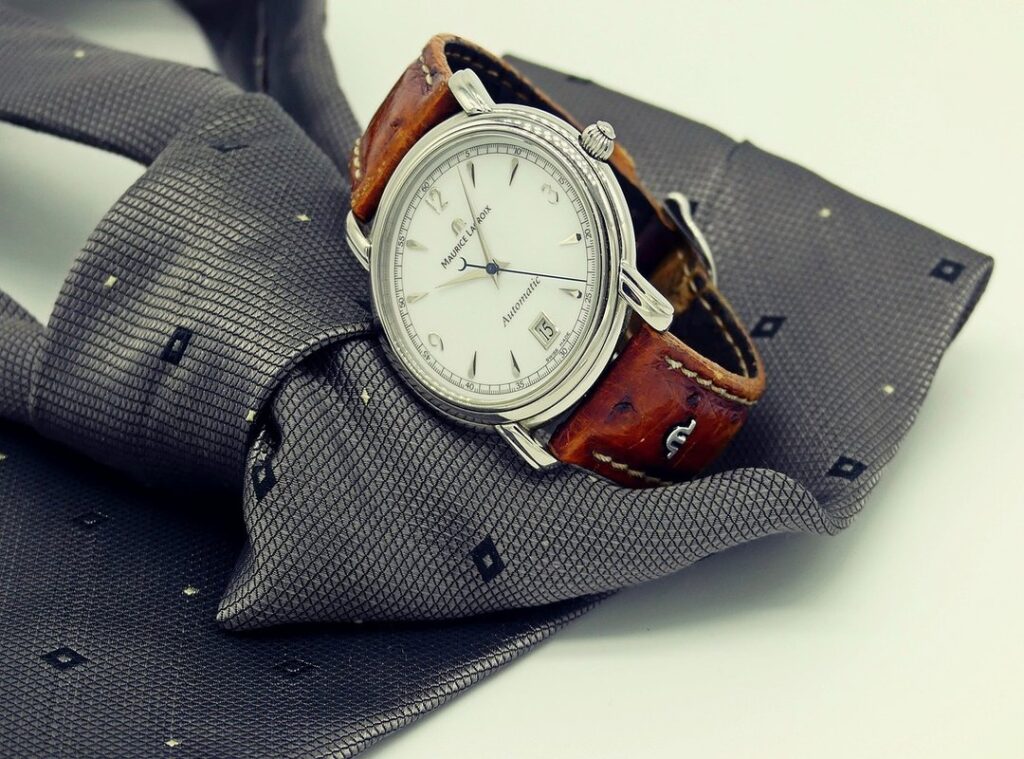
A watch is often seen as just a tool or a fashion statement. But there’s a deeper story behind men’s timepieces.
I’m diving into the mens watches evolution to explore how these accessories have transformed over time. They reflect not just changing styles but also shifts in masculine identity and technology.
Many guys pick their watches without knowing the rich history that shapes modern designs. This leads to choices that lack meaning.
I’ve spent time digging into horological history and cultural shifts, so you can trust me when I say there’s more to these pieces than meets the eye.
This article will demystify the evolution of men’s timepieces. I promise to give you a clear understanding of their significance beyond superficial trends.
By the end, you’ll see watches as evolving narratives of human ingenuity and personal expression. Let’s get started.
From Pocket to Wrist: Evolution of Men’s Watches
Ever think about why men stopped carrying pocket watches? It wasn’t just about fashion. Imagine trying to fumble with a pocket watch while holding a rifle or climbing a mountain.
During the 17th to early 20th centuries, pocket watches were king. They were symbols of precision and status, dangling elegantly from waistcoats.
But as society got moving, literally, those watches were left behind.
World War I changed everything. Soldiers and pilots needed hands-free timekeeping. (It’s hard to check the time when you’re piloting a plane.) That’s when the wristwatch stepped in. But funny enough, at first, people scoffed.
Wristwatches were seen as too feminine. Can you believe that?
Society’s views gradually evolved. Men realized they needed something practical for an active lifestyle. Innovations like secure wrist straps and durable movements made them viable options.
It’s fascinating how necessity nudges style. The shift from pocket to wrist was a big moment in mens watches evolution.
Want a deeper dive into how men get through these societal shifts? Check out Decoding Successful Mens Networks. It’s intriguing how trends evolve into norms.
What do you think. Are wristwatches here to stay?
The Mid-20th Century Boom: A Revolution in Men’s Watches
Post-World War II, men’s watches weren’t just timekeepers. They became statements. The economic boom turned them into symbols of style and status.
Who wouldn’t want a piece of that? Watches like the Rolex Submariner and Breitling Navitimer emerged, defining roles for the adventurous and the sophisticated. These weren’t just accessories; they were badges of ambition and identity.
The rugged dive watch said, “I’m ready for anything.” The precise pilot’s watch whispered, “I soar above the rest.” And the elegant dress watch? It was the gentleman’s nod to timeless class. Each piece told a story, shaping what it meant to be a man in that era.
Advertising played a huge role too, crafting narratives that made watches extensions of a man’s character.
Today, we still feel those influences. Modern designs draw from these archetypes, blending utility with style. If you’re curious about the evolution of these timepieces, check out 10 ways watches have evolved.
It’s fascinating how mens watches evolution continues to echo those mid-century ideals, reminding us that a watch is never just a watch.
The Quartz Revolution: Shaking Up Time
Back in 1969, Seiko dropped a bombshell with the Quartz Astron. This wasn’t just a new watch. It was a total game changer.
Quartz technology made watches more accurate and affordable than ever. Does quartz technology sound like a revolution? It was.
The Swiss watch industry didn’t see it coming. Their world was rocked, losing jobs left and right. A seismic shift in mens watches evolution, if you will.
But no use crying over spilled milk. The “Quartz Crisis” forced the Swiss to rethink mechanical watches. Craftsmanship had to meet efficiency.
Suddenly, reliable timepieces were in everyone’s hands. Quartz democratized timekeeping, and the market loved it. But what about luxury?
Digital watches started poking at traditional notions of prestige. Brands either adapted or got left in the dust.
You might wonder, was this a crisis or a catalyst? I say both. It was a wake-up call, a reset button for innovation in watchmaking.
Oh, and if you’re curious about more shifts like this, check out uncovering hidden gems mens literature. The Quartz era didn’t just disrupt; it rewrote the rules. What’s your take on innovation versus tradition in watches?
The Modern Era: Mechanical Watches and Smart Expression
I’ve been watching the evolution of men’s watches with keen interest. The mens watches evolution is fascinating. Mechanical watches are no longer just tools.
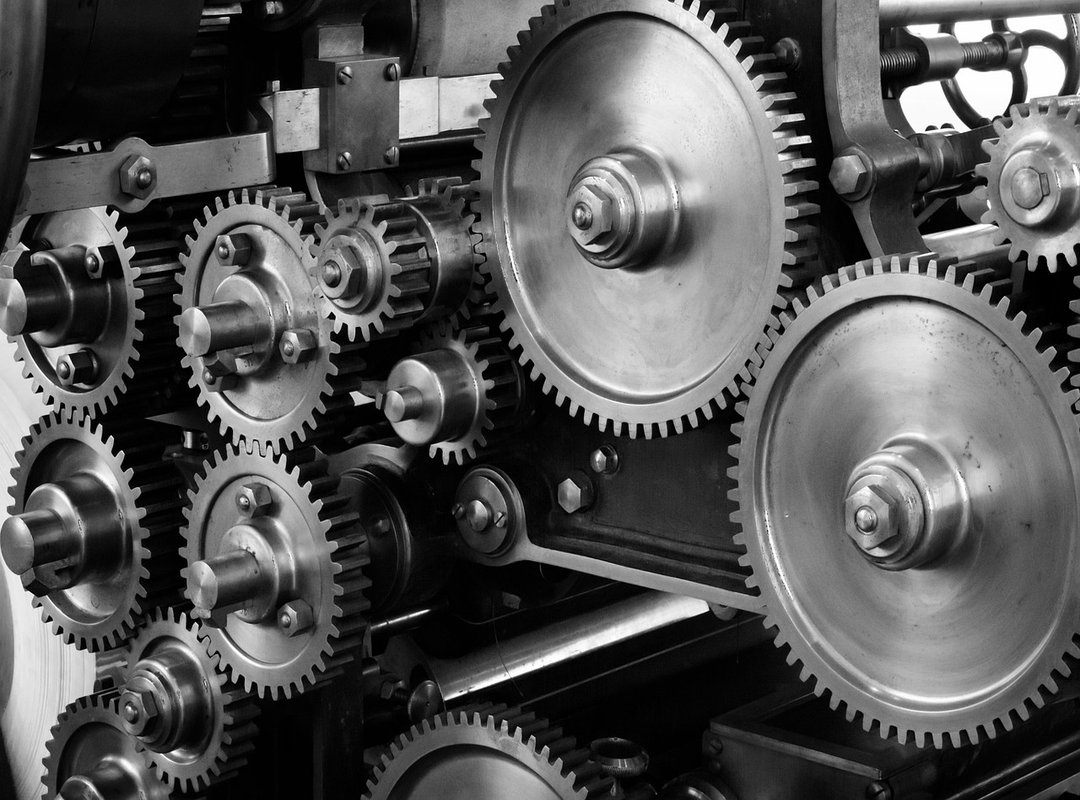
They’re pieces of art. In our digital age, people appreciate the detailed craftsmanship and heritage they offer. It’s not just about telling time anymore.
It’s a nod to history and engineering.
And then there are smartwatches. They’re like holding a tiny computer on your wrist. Connectivity, health monitoring, notifications (they’re) challenging the very idea of what a watch should be.
But here’s the thing, they don’t replace the allure of a finely crafted mechanical watch. They coexist, offering options for different tastes and needs.
The market’s diversification is wild. Independent watchmakers and micro-brands are on the rise, and vintage collecting is having a moment. You’ve got choices.
Lots of them. It’s about finding what resonates with you, aligning your watch with your lifestyle and values.
Timepieces are personal expression tools. They blend history with modern tech, all wrapped in individual style. So, what’s your watch saying about you?
With so many options, it’s about picking what fits your story.
Beyond Time: Men’s Watches and Their Evolution
Ever noticed how men’s watches evolution is gearing up to be more than just about telling time? I’m talking about a future where your wristwatch could be as integral to your life as your smartphone. Imagine watches crafted from recycled materials.
They’re not just ticking away but also making a statement about sustainability. It’s about time we thought of our planet while keeping track of time.
These days, health and wellness monitoring is not just a feature; it’s a necessity. We’re already seeing watches that track heart rates and sleep patterns. But what about the timeless charm of mechanical watches?
They won’t just vanish in the digital age. In fact, they might become more prized as symbols of artistry and heritage.
Customization is another aspect where men want their timepieces to reflect their unique stories. A watch should be an extension of personality, right? With advanced technology, the traditional watchmaking craft is experiencing a renaissance.
This convergence? It’s reshaping the industry without losing that cherished heritage.
So, next time you glance at your watch, consider it not just as a timekeeper but as a narrative of human creativity and legacy. Watches are evolving. Are we keeping up?
Your Timepiece, Your Statement
Your search for clarity on mens watches evolution is over. You’ve seen how understanding the history and culture behind a timepiece enhances your connection to it. That lack of context can limit your choices.
Now you can make informed decisions that connect with your style and values. Think about the story you want your watch to tell. It’s not just an accessory; it’s a piece of your legacy.
Ready to invest in something meaningful? Choose wisely. Reflect on what your timepiece says about you.
Embrace the journey and let your watch speak your truth.