
You might be here because you’ve heard about diosasara leaks. It’s a topic that’s been buzzing online, and for good reason.
Diosasara is a well-known figure on the internet. Maybe you follow her, or maybe this is your first time hearing about her. Either way, it’s important to know what’s going on.
When people talk about “leaks,” they usually mean private photos or videos that have been shared without the person’s permission. That’s a serious issue, and it can have big consequences.
This article aims to give you the facts. We’ll look at the situation, the risks involved, and why digital privacy matters.
I won’t share or link to any non-consensual material. Instead, I’ll focus on the facts and the impact. Let’s dive in.
The Harmful Reality of Leaked Content
Leaked content in this context means the non-consensual sharing of private, often personal, material. It’s a violation of someone’s privacy and trust.
Victims of such leaks face severe personal and professional damage. Emotional distress and reputational harm are just the tip of the iceberg.
These leaks often originate from malicious hacking, data breaches, or ‘revenge porn.’ Each of these is a criminal act, not some harmless mistake.
Some people think viewing or sharing diosasara leaks is just a bit of fun. But it’s not. It’s a form of digital abuse.
Imagine if someone stole your private diary and showed it to everyone. How would you feel? That’s what it’s like for the victims.
Behind every screen name, there’s a real person. Their trust and safety have been violated. We need to remember that.
Pro tip: If you come across leaked content, don’t share it. Report it to the platform and support the victim.
Warning: The Hidden Dangers of Searching for Leaks
I once had a friend who thought they could find some leaked content online. They ended up with a nasty virus on their computer. It was a real mess.
Searching for diosasara leaks or any other similar content is like playing with fire. You might think you’re just looking at some files, but the risks are high. Malware, spyware, and ransomware are common on these sites.
They use enticing claims to trick you into downloading viruses or entering personal information for phishing scams. Excnsocial
Have you ever seen those fake ‘human verification’ steps? They often sign you up for expensive, unwanted services or steal your credit card details. It’s a trap.
And let’s not forget the legal issues. Downloading and distributing non-consensual private imagery can be a serious offense in many places. You could face fines, or even worse, jail time.
In short, searching for such content puts your digital security and personal data at immediate risk. It’s just not worth it.
How to Protect Your Own Digital Privacy
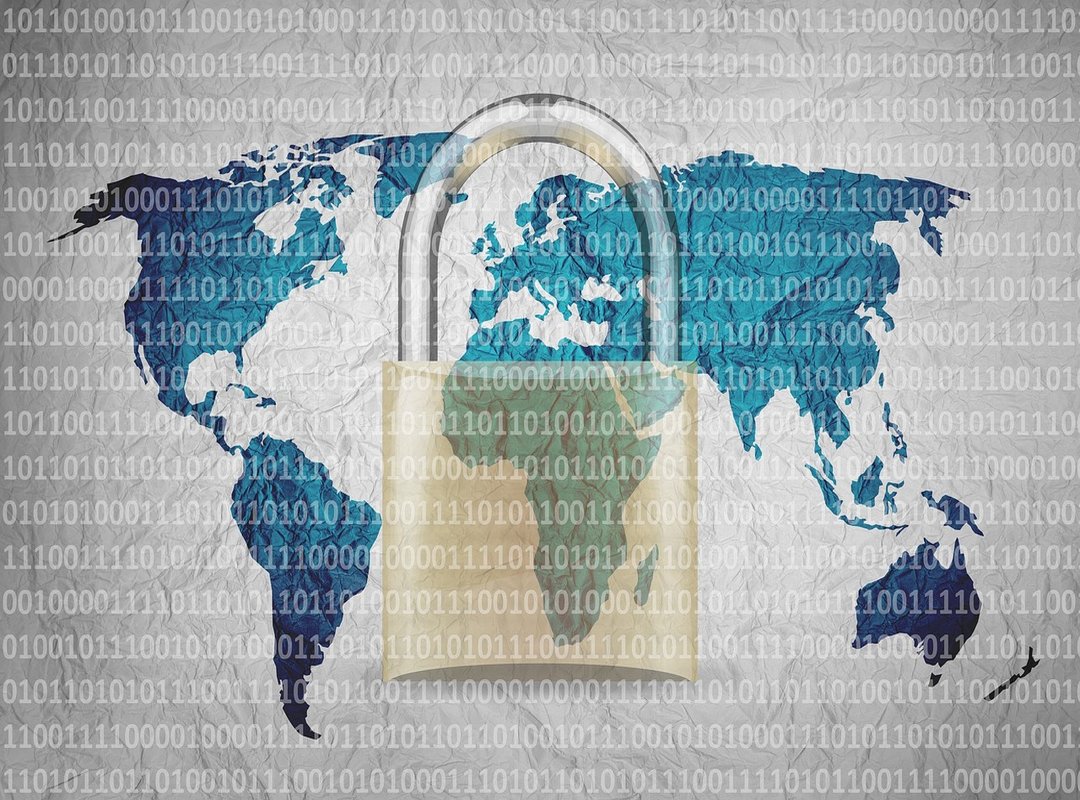
Digital privacy can feel overwhelming. But it doesn’t have to be. Here are some practical steps you can take right now.
Use strong, unique passwords for every account. This is your first line of defense.
Enable two-factor authentication (2FA) wherever possible. It adds an extra layer of security.
Conduct regular privacy check-ups on social media. Control who can see your posts and personal info.
Be cautious about sharing sensitive images or information. Even private messages aren’t always safe. Remember the diosasara leaks?
That’s a stark reminder of how data breaches can happen anywhere.
Use secure messaging apps with end-to-end encryption for sensitive conversations. This ensures only you and the recipient can read the messages.
Taking these steps might seem like a lot at first. But once you get into the habit, it becomes second nature. And it’s worth it for the peace of mind.
Promoting a More Respectful Online Community
The search for leaks is often driven by curiosity, but it carries significant risks and contributes to a culture of privacy violation. The most responsible action is to refuse to participate in the viewing or sharing of non-consensual content.
Support creators like diosasara leaks through their official, public channels, such as social media and content platforms, rather than seeking out stolen material.
Be more mindful of your online behavior and champion digital consent and privacy. Together, we can build a safer and more respectful internet environment for everyone.