
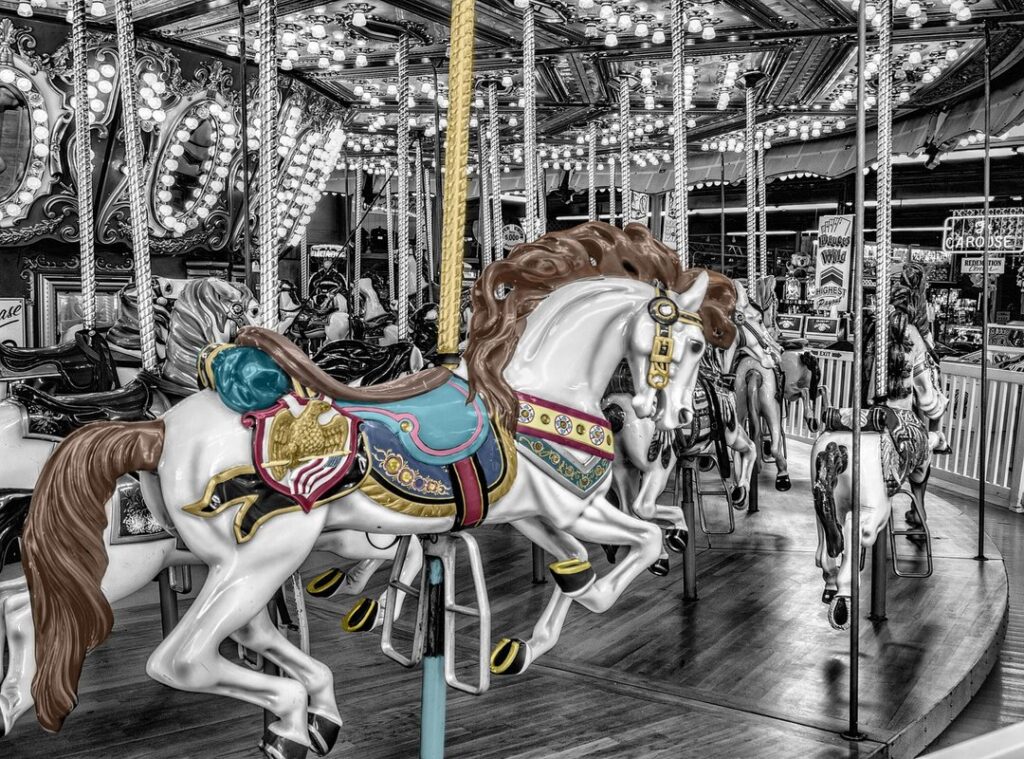
You ever lose track of time watching a dumb YouTube video?
I have.
It happens. You click one thing and suddenly it’s an hour later.
That’s not just you zoning out. That’s How Does Amusement Affect Society Elmagamuse in action.
Amusement isn’t just background noise. It shapes how we think. How we talk.
What we care about.
You scroll TikTok. You ride a roller coaster. You binge a show.
You play a game for three hours straight.
None of that is neutral.
It changes your attention span. It rewires how you expect information. It even shifts what feels meaningful.
Some of it connects us. Some of it isolates us. Some of it teaches us without saying a word.
I’ve watched this happen in classrooms. In family rooms. At theme parks.
In online forums.
Fun doesn’t sit slowly. It pushes. Pulls.
Sticks.
We’ll look at amusement where it lives: arcades, streaming apps, playgrounds, VR headsets, even memes.
No jargon. No hype. Just real effects.
Good and bad.
You’ll walk away knowing why your leisure time matters more than you think.
And how to spend it with your eyes open.
Amusement Is Not a Luxury
I laugh until my ribs hurt.
You know that feeling.
Amusement gives me real relief. Not fake calm. Not distraction.
Actual release.
I stop checking my phone. I forget the to-do list. I breathe deeper without thinking about it.
That’s why I go to Elmagamuse (it’s) not just fun. It’s reset.
Laughing at a bad comedy special? Lowers my cortisol. Screaming on a roller coaster?
Burns off nervous energy. Getting lost in a dumb novel? Lets my brain stop solving problems for twenty minutes.
These aren’t small things. They’re how I stay functional.
Anxiety drops. Mood lifts. My thoughts slow down.
And it adds up. A person who laughs more sleeps better. Thinks clearer.
Shows up differently at work. With family. In line at the grocery store.
Now multiply that by thousands. Then millions.
How Does Amusement Affect Society Elmagamuse? Try this: less burnout. Fewer short tempers.
More patience in traffic.
Shared amusement makes bonds real. Not forced. Not polite.
Just two people cracking up over the same stupid meme. Or screaming together on a ride (and) suddenly you know each other better.
That’s not fluff. That’s data from living.
We don’t need permission to enjoy things. We need space to do it. Often.
Fun Glues People Together
I watched my neighbor (quiet) guy who never waves (laughing) with three strangers over a broken popcorn machine at the county fair.
That’s how it starts.
Families crowd into theme parks. Friends scream together on roller coasters. Teams sweat through pickup basketball games in cracked asphalt lots.
These aren’t just distractions. They’re shared oxygen.
You remember that concert where everyone sang off-key? Or the time your kid high-fived a stranger’s kid after the dunk tank soaked the mayor? Those moments stick.
They build trust faster than any meeting ever could.
Local festivals do this on purpose. The Elmagamuse Street Fair last June drew 4,200 people. More than double last year’s turnout.
Seniors danced with teens. Immigrant vendors sold tamales next to vegan donuts. No speeches.
Just music, food, and people leaning in.
How Does Amusement Affect Society Elmagamuse? It lowers walls. Not slowly.
Not theoretically. Right then.
A study from the University of Illinois found group laughter raises oxytocin levels by 27% (same) hormone that bonds mothers to babies.
You think that’s coincidence?
I don’t.
We need less talk about “community building.” We need more dunk tanks. More bad karaoke. More shared, stupid joy.
Because joy doesn’t ask for ID. It doesn’t check your resume. It just shows up.
And pulls chairs closer.
Amusement Pays Real Bills
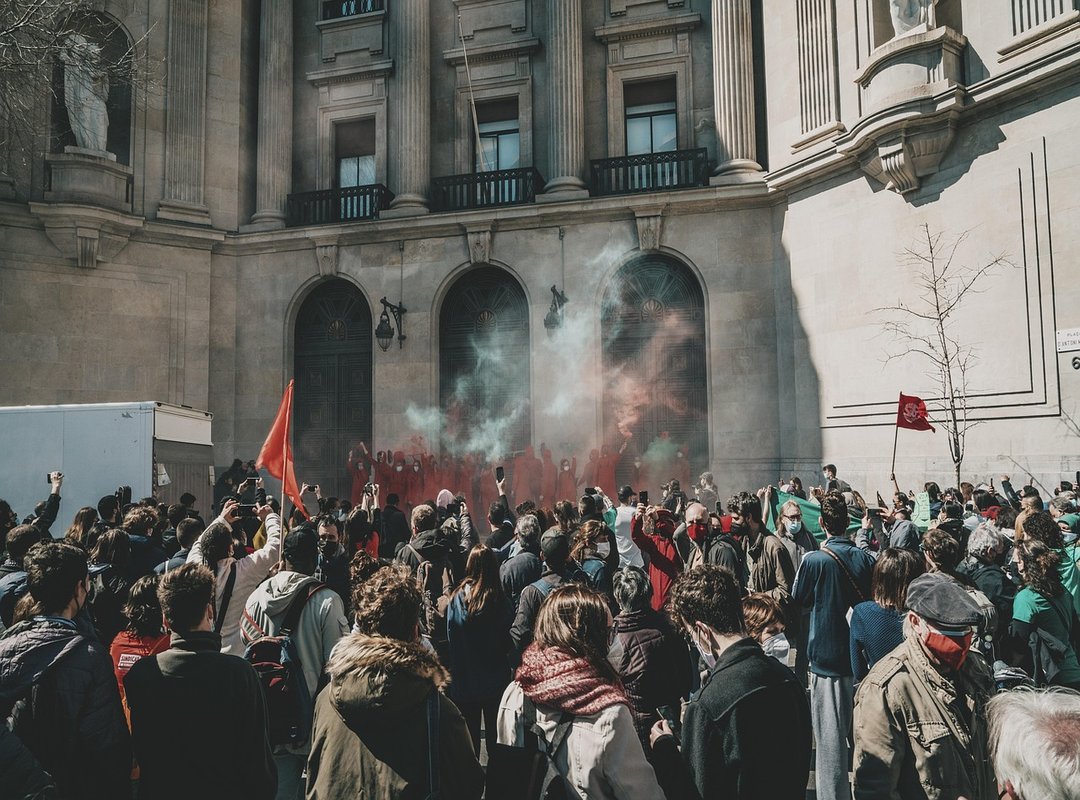
I’ve watched a small town double its restaurant traffic after a water park opened. It wasn’t magic. It was payroll.
Amusement isn’t just rides and tickets. It’s cash in the register at the diner three blocks away. It’s the graphic designer hired for a mobile game studio.
It’s the seasonal lifeguard who later becomes a full-time hotel manager.
Tourism doesn’t stop at the gate. Hotels fill. Taxis run longer hours.
Local artists sell prints at the gift shop. That money moves. Fast and wide.
How Does Amusement Affect Society Elmagamuse?
It puts people to work and keeps other people employed doing things that have nothing to do with roller coasters.
Big attractions change maps. Look at Nashville’s Broadway district (live) music venues pulled in tourists, then breweries followed, then apartments went up. Same thing happened near Universal Orlando.
The ripple isn’t theoretical. It’s rent paid. It’s school supplies bought.
It’s a mechanic fixing a tour bus instead of sitting idle.
You think it’s just fun?
Try telling that to the single mom who got her first benefits-eligible job at a theme park.
This isn’t fluffy economic theory. It’s real wages. Real taxes.
Real sidewalks repaved with tourism dollars. learn more
Amusement Is Not Just Fun
I watch people light up at a magic trick. That spark? It’s not fluff.
It’s raw fuel for new ideas.
Movies teach us what courage looks like. Games let us test ethics in safe failure. Books plant questions we carry into real life.
You’ve felt this. You just didn’t call it “cultural scaffolding.”
VR wasn’t born in a lab. It was built to make theme park rides feel real. Same with motion capture.
Same with CGI. Entertainment breaks tech first. Then the rest of the world catches up.
Disney’s got robots walking and talking. Universal builds buildings that tilt and shake on cue. This isn’t gimmickry.
It’s engineering pushed past textbook limits.
Amusement doesn’t just reflect culture (it) edits it. Think about how superhero movies shifted heroism from lone gunslingers to teams, flaws and all. Or how mobile games normalized constant micro-interactions.
What do you ignore now that used to feel weird?
How Does Amusement Affect Society Elmagamuse
It changes what we expect from reality. It trains our brains to want more immersion, more agency, more now. And it does it while we’re laughing.
You want proof? Look at how fast kids pick up AR filters versus spreadsheets. That tells you everything.
Check out Elmagamuse Entertainment Tips by Electronmagazine for more.
Play Changes Everything
Amusement isn’t filler. It’s fuel.
I’ve seen it ease tension in a room full of strangers. I’ve watched it turn coworkers into friends. I’ve lived through neighborhoods rising because someone opened a theater, not another chain store.
Stress drops. Communities tighten. Jobs appear.
Culture shifts. All from play.
But not all amusement serves you. Some drains time. Some isolates.
Some numbs.
You already know the difference. That hollow scroll after an hour? Not play.
That laugh with your kid that lingers all day? That’s play.
How Does Amusement Affect Society Elmagamuse. It starts with your choice today.
So ask yourself: what did I do last week that made me feel more human. Not less?
Go do that again.
Do it with someone else.
Skip the guilt. Skip the “shoulds.” Just pick one thing this week that feels alive (not) algorithm-fed, not trend-chasing, just real.
Then do it twice.
That’s how society changes. Not in speeches. Not in plans.
In repeated, small, joyful choices.
You’re already doing it.
Just do it on purpose.