
You ever lose track of time watching a dumb YouTube video? I have. More than once.
That’s not nothing.
It’s how How Does Amusement Affect Society Elmagamuse starts. With something small, real, and familiar.
Amusement isn’t just background noise. It’s how kids learn rules without realizing it. It’s how adults argue about politics after binge-watching a show.
It’s how whole cities get built around theme parks.
Yeah, really.
This article looks at what happens when fun stops being just fun. We’ll go from arcades to TikTok feeds to neighborhood festivals. No jargon.
No fluff. Just what sticks (and) what doesn’t.
You’re probably already wondering: Why does this even matter?
Because your attention isn’t neutral.
Neither is your downtime.
We’ll break down how amusement reshapes habits, relationships, and even local economies. Not in theory. In practice.
You’ll walk away knowing where your leisure time actually goes. And why it adds up faster than you think.
Amusement Is Not a Luxury
I laugh until my ribs hurt. Then I feel lighter. You know that feeling.
Amusement is real relief. Not just distraction. It’s the pause button on stress you didn’t know you could press.
I’ve sat in a dark theater, watching something absurd, and walked out breathing easier. (Yes, even if the jokes were bad.)
Laughing at a comedy show drops cortisol. A roller coaster jolts you out of rumination. A good book shuts off the mental noise.
These aren’t small things. They’re resets.
How Does Amusement Affect Society Elmagamuse? Simple: when people feel better, they show up differently. Less short-tempered.
More patient. More willing to listen.
I’ve seen it at parks, festivals, even crowded subway cars (shared) laughter softens edges. You smile at someone else’s joke, and suddenly you’re not alone in the grind.
That’s how bonds form. Not through perfect moments. But through shared, unguarded joy.
It adds up. A less stressed population isn’t just nicer. It’s more creative.
More resilient. More human.
Elmagamuse builds spaces where that happens (on) purpose.
You don’t need permission to feel joy.
You just need to let yourself.
Fun Glues People Together
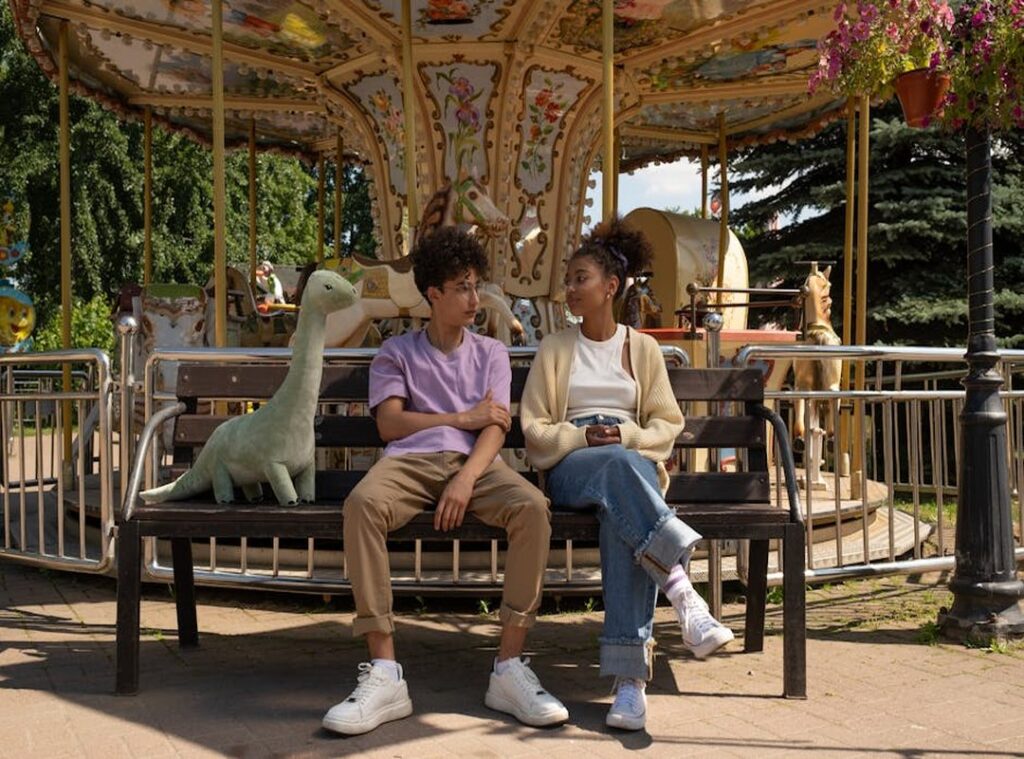
I’ve watched strangers high-five at a baseball game. I’ve seen kids from different schools bond over a carnival ride. Amusement isn’t just noise and motion.
It’s social glue.
Families crowd into theme parks not for the roller coasters alone. They’re there to laugh at the same corny joke, scream together on the drop, share churros while waiting in line. That shared adrenaline?
It builds trust faster than any icebreaker.
Concerts do the same. You don’t need to know someone to sway to the same beat. You just show up (and) suddenly you’re part of something bigger.
Team sports? Same deal. You learn names, habits, who brings extra water.
You stop seeing “the other team” and start seeing people who also want to win (or at least have fun trying).
Local festivals crack open neighborhood walls. A taco stand brings together retirees and teens. A parade floats past churches, mosques, and apartment buildings.
Same music, same sidewalk.
How Does Amusement Affect Society Elmagamuse? It turns “me” into “we” without saying a word. No agenda.
No lecture. Just people doing something joyful, side by side.
Barriers don’t vanish overnight. But they soften. And that softening?
That’s where real connection starts.
Amusement Pays Real Bills
I worked at a theme park for three summers.
I saw how one ride opening hired twenty people. Not just operators, but welders, painters, security, and snack cart staff.
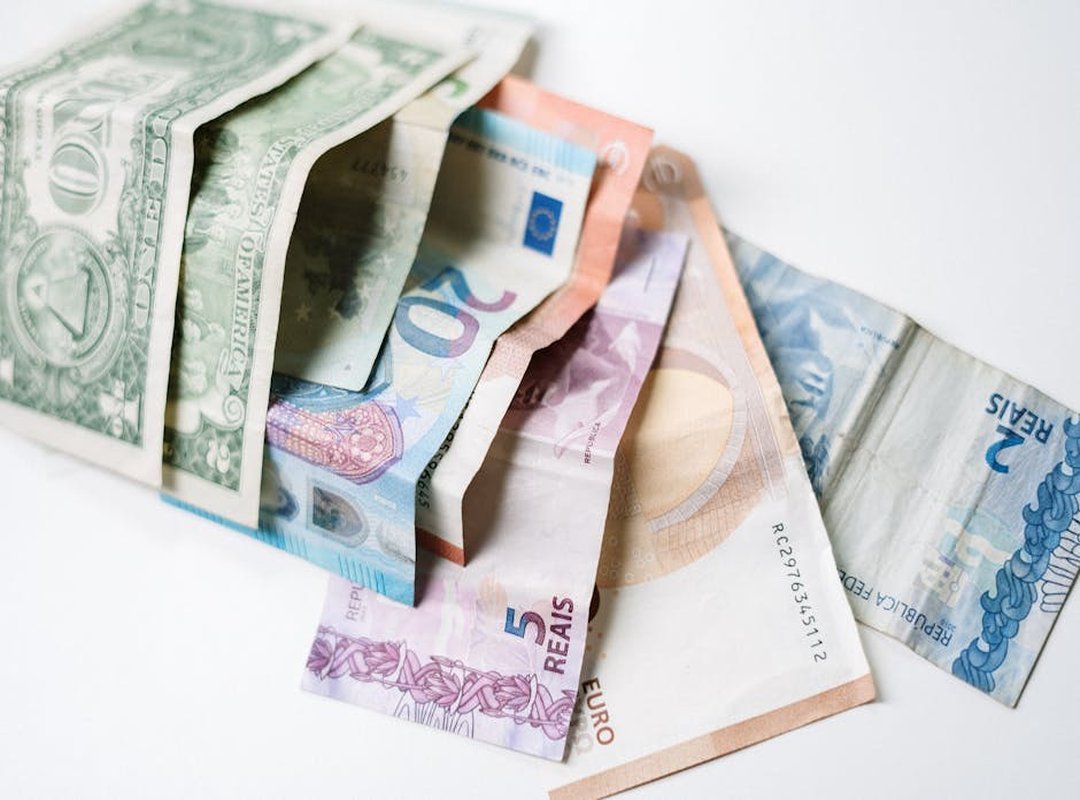
Amusement isn’t just fun. It’s payroll. Over 1.3 million people work in U.S. amusement and recreation services (BLS, 2023).
That includes game studios in Austin, mural artists in Detroit, and ticket takers in Orlando.
Tourists don’t just ride roller coasters. They book hotels. They eat breakfast tacos and buy T-shirts.
A single major attraction can lift local sales tax revenue by 12. 18% in its first two years (Brookings, 2022).
Look at Chattanooga. The Tennessee Riverpark drew 2.4 million visitors last year. Hotels filled up.
Restaurants added shifts. A shuttered textile mill became a VR arcade.
That money doesn’t vanish. It becomes rent, groceries, car repairs. Real circulation.
This is how amusement affects society elmagamuse.
You think that $75 theme park ticket stays with the park? No. It splits across vendors, contractors, ad agencies, and local suppliers.
I tracked one dollar from a ticket sale (it) touched seven businesses before landing in someone’s paycheck.
For more on why this matters beyond spreadsheets, read Why entertainment is important elmagamuse.
Entertainment isn’t fluff. It’s infrastructure. With benefits you can count.
Amusement Isn’t Just Fun
Amusement sparks real ideas. I’ve seen it happen. People walk out of a movie or game and start sketching, coding, or building something new.
Storytelling in movies, games, and books doesn’t just pass time. It shapes what we value. Think about how superhero stories shifted from lone vigilantes to teams that argue ethics.
That’s not random. That’s culture shifting.
New tech often starts as play. Virtual reality? Developed for arcades and theme parks before labs adopted it.
CGI? Born in Hollywood studios trying to make dinosaurs move.
Amusement parks test engineering limits daily. Those looping coasters? They push materials science, safety systems, and crowd flow design way past textbook specs.
Amusement reflects society. And sometimes flips it. Drag shows started underground, then went mainstream.
TikTok dances spread faster than policy changes. You notice that, right?
How Does Amusement Affect Society Elmagamuse is the quiet force behind all this (not) just distraction, but direction.
It’s not about escape. It’s about rehearsal. We try on futures in games.
You’ve felt this. That spark after a great show. That itch to make something better.
We test morals in stories. We build impossible things just to see if they work.
Want practical ways to tap into that energy? Check out the Elmagamuse entertainment tips by electronmagazine.
Play Isn’t Just Fun (It’s) Fuel
Amusement shapes us. It reshapes cities. It changes how we talk, work, and trust each other.
I’ve seen it in crowded game nights that turned strangers into friends. I’ve watched small theaters keep neighborhoods alive when rent hikes tried to kill them. Stress drops.
Ideas spark. Money moves. Culture shifts.
But not all amusement does that. Some drains you. Some divides you.
Some just fills time while leaving you emptier.
You already know the difference.
You feel it when scrolling leaves you hollow (but) singing off-key with your kid makes you light.
That’s why How Does Amusement Affect Society Elmagamuse isn’t a question for textbooks.
It’s a daily choice.
So stop waiting for “more free time.”
Start picking one thing this week that builds instead of burns. A walk with no screen. A board game instead of a binge.
A local show instead of the algorithm’s pick.
Your energy matters. Your attention is not renewable. Your community needs what only you show up for.
Do that (and) watch what grows.