

What you wear is more than just fabric. It’s a solid psychological tool. Too many men don’t grasp how their clothing choices affect their mindset and how others perceive them.
This oversight leads to missed opportunities for self-improvement and influence.
I’ve spent years exploring modern male lifestyle and the impact of style on personal presence. I’ve seen the difference dressing well can make. It’s not just about looking good; it’s about feeling confident and commanding respect.
This article dives into fashion psychology men need to understand. I’ll share actionable takeaways that go beyond the latest trends to show how your clothing can shape perception and boost your self-esteem.
You might be wondering why you should trust me. This isn’t just theory; it’s grounded in a deep understanding of human behavior, backed by practical applications.
By the end of this article, you’ll see how strategic clothing choices can boost your presence and impact. So, let’s open up the hidden power of men’s fashion together. You’ll be surprised at what you discover.
Dressing to Impress: The Psychology Behind First Impressions
First impressions are made in the blink of an eye. Seriously, it takes just seconds for people to form judgments based on your attire. It’s almost unfair how quickly these perceptions stick.
But here’s where it gets fascinating (and a bit empowering): your clothes are more than just fabric; they’re a psychological weapon.
Ever heard of the “Halo Effect”? It’s this wild phenomenon where looking sharp can make people assume you’re competent, trustworthy, and maybe even a little bit cooler than you are. A tailored suit or a quality watch doesn’t just say “I have good taste.” It screams status and attention to detail.
Fashion psychology men, pay attention! Your clothes can send messages without you saying a word. A sharp blazer signals professionalism, while rugged wear hints at a spirit of adventure.
Minimalist attire? That’s sophistication in a nutshell.
Understanding these mechanisms is empowering. It’s like having a secret weapon in your closet (no cape needed). So, next time you dress, think about what you’re really saying with those threads.
You might be surprised at the power you wield with just a few strategic choices.
Dressing for Confidence: Enclothed Cognition Unveiled
Ever heard of enclothed cognition? It’s not just a fancy term. It’s the real, psychological impact clothes have on how you think.
Imagine this: wearing a doctor’s coat has been shown to improve attention. Crazy, right? It’s like a magic trick that’s backed by science.
Let’s dig into fashion psychology men. When you wear a well-fitting suit, you’re not just dressing for others. You’re dressing for your mindset.
A suit can pump up your authority and focus. Athletic wear? That’s your signal to get moving, to embrace a more active state.
Clothes are tools, not just decoration.
How do you use this? Start dressing for the mindset you want. Want to feel like a leader?
Suit up. Need some motivation to hit the gym? Toss on those workout clothes.
Consistently dressing with intent can actually shape a stronger self-image. It’s like writing your own story, one outfit at a time.
Over time, this intentional dressing forms positive feedback loops. You feel better, you act better, you are better. This is more than “dress for success.” It’s about aligning your clothes with your goals.
Sounds like a simple fashion hack, but it’s solid.
Interested in where this fits into the Future Of Masculinity? Clothing is more than style. It’s a tool for transformation.
Color Psychology: Unlocking Style Secrets
Color isn’t just for show; it’s a solid tool in fashion. Ever noticed how a navy suit commands respect or why people wear black to look sharp? That’s color psychology at play.
It’s not just about looking good (it’s) about sending the right message without saying a word.
Blue, for instance, screams trust and competence. No wonder it’s the go-to for business. Black is all about power and mystery, which is why it’s a staple in formal wear.
Gray? It’s your best bet for professionalism and neutrality. And white?
Simplicity and fresh starts. Perfect for those days when you need a clean slate.
Now, red is a bit tricky. It grabs attention (maybe too much sometimes), so use it sparingly. Green, on the other hand, is all about growth and ambition.
It’s the color of go-getters.
But how do you use these colors strategically? Consider the setting. For a job interview, lean on blues and grays to project stability.
At a social gathering, maybe a hint of red to stand out. On a date? Combine black and white for that mix of sophistication and purity.
If you’re curious about diving deeper into fashion psychology men, you’ll find it’s not just science. It’s art. Understanding the details can transform how you present yourself.
Fit, Fabric, and Grooming: Subtle Signals that Speak Volumes
Ever notice how a well-fitted shirt changes your mood? It screams attention to detail and self-respect. Clothes that fit poorly?
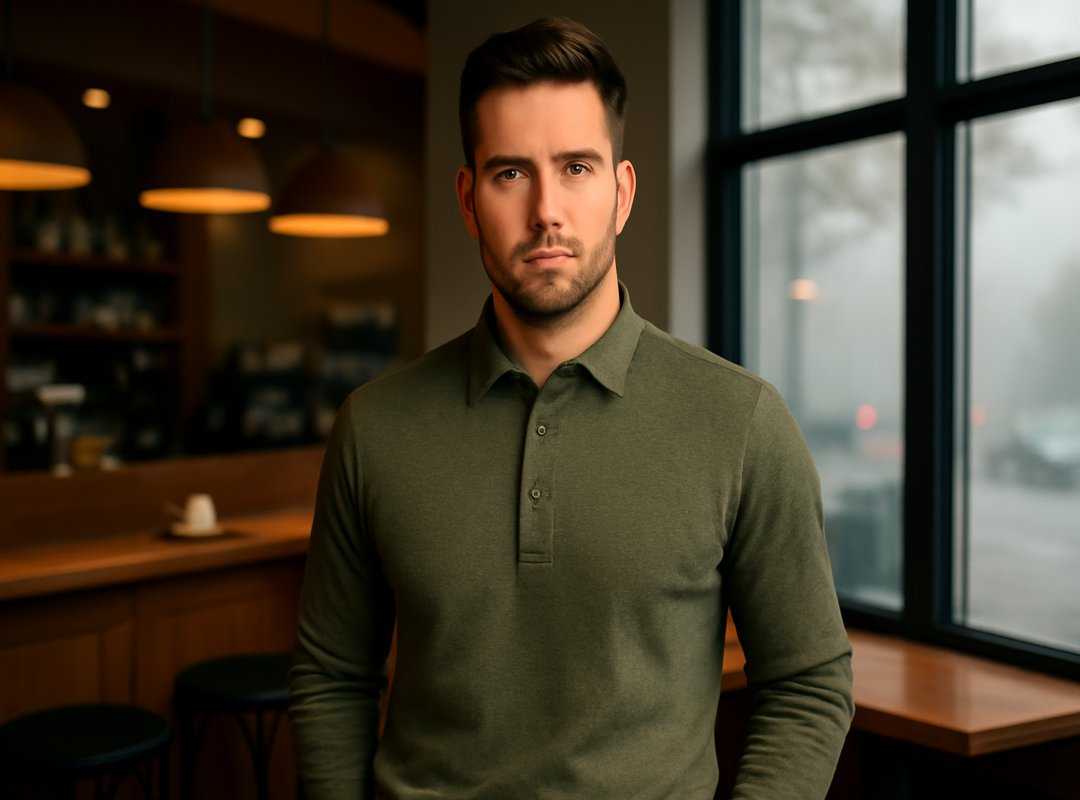
They whisper laziness. They suggest you don’t care. In fashion psychology men often overlook fit, but it speaks louder than words.
Fabric choices matter too. Crisp cotton or linen feels professional and fresh. Wool and cashmere radiate luxury and warmth. Even denim says something, bridging approachability with ruggedness.
It’s not just about the fabric. It’s about how it feels and drapes. A quality fabric can raise perception.
It’s like wearing confidence.
It reinforces those smart clothing choices. These micro-signals (tiny but mighty) often impact trust and respect more than loud outfits do. They’re the unsung heroes of first impressions.
And then there’s grooming. Hair, skin, nails (they) all send signals. A clean, well-maintained appearance shows discipline and health.
Take grooming seriously and invest in fabrics that tell your story. These elements work together to craft your image. They’re not just about looking good.
They’re about being understood. Does this seem trivial? It’s not.
It’s key to how others perceive you.
Curious about how these ideas tie into broader themes? Check out societal changes mens roles. It’s all connected.
Strategic Styling: Dress with Purpose
Ever thought about using your wardrobe as a strategic tool? Fashion psychology men, let me tell you, is about more than just looking good. When you dress for authority at work, structured silhouettes and classic colors scream “I’m in charge!” It’s not just clothes; it’s a mindset.
Social gatherings call for a switch. Softer textures and warm colors can make you seem more approachable. People gravitate toward those who look like they’ve planned their outfits, but not too precisely.
Now, dating is another beast. Balancing comfort with style (think red or blue hues) boosts confidence. Add personal touches, and you’re not just dressing; you’re expressing.
We use clothes to influence perceptions, so why not use this power consciously?
Transform Your Style Today
You’ve learned how fashion psychology men shapes your presence. It’s no longer just about getting dressed. It’s about dressing with intent.
When you understand these takeaways, you help yourself to impact how you feel and how others perceive you.
Now it’s time to act. Experiment with your wardrobe. Notice the shifts in your confidence and the reactions from those around you.
Take control of your narrative. Your style is your silent superpower. Start transforming your presence today.
Don’t wait. Your journey toward a more intentional style begins now. Embrace it and watch the change unfold.