
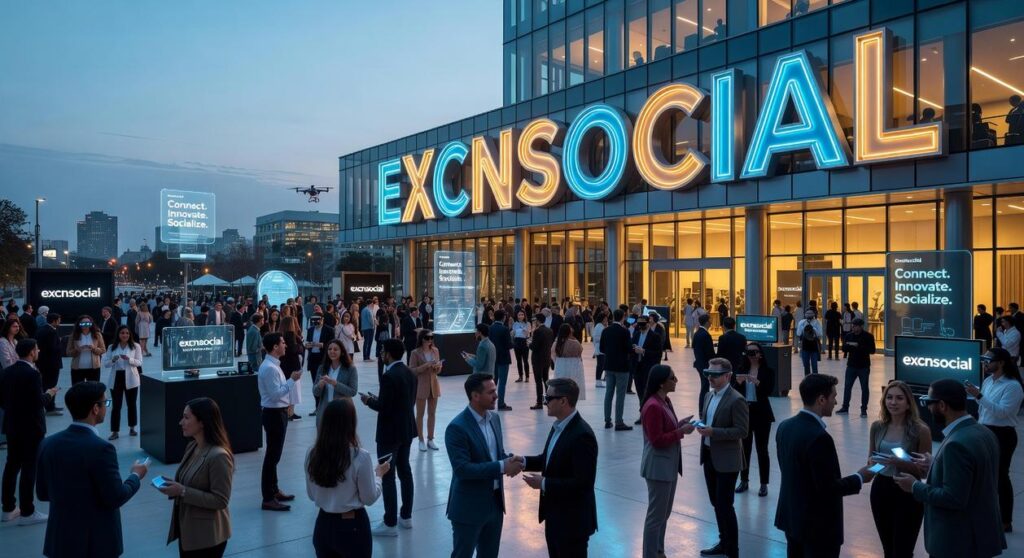
I’ve been watching people abandon mainstream platforms in droves.
You’re probably here because you’re tired of the noise. The endless scroll. The fake engagement. The feeling that you’re shouting into a void where nobody’s actually listening.
Here’s what’s happening: people are moving to spaces that actually matter. Places where the conversation is real and the connections mean something.
I spent months researching what makes digital communities work. Not the surface stuff. The real mechanics of why some spaces thrive while others turn into ghost towns.
This article breaks down the rise of exclusive social media platforms. I’ll show you why they’re growing and what makes them different from the chaos you’re used to.
We analyzed community dynamics across dozens of platforms. We looked at what keeps people engaged and what drives them away. That’s how I know what separates real value from just another gated garden.
You’ll learn what defines an exclusive platform, why people are choosing them, and how to find communities that offer substance over virality.
No hype about the next big thing. Just what’s working now and why it matters for anyone looking for better online spaces.
excnsocial is part of this shift toward quality over quantity.
Defining the Digital Velvet Rope: What is an Exclusive Social Media Platform?
You know what drives me crazy?
When someone says they’re part of an “exclusive community” and it’s just a Facebook group with 10,000 members where half the posts are spam.
That’s not exclusive. That’s just another corner of the internet where everyone’s shouting and nobody’s listening.
I’ve watched this happen over and over. Someone creates a private group, slaps an application form on it, and suddenly thinks they’ve built something special. But two weeks in, the feed looks exactly like every other social platform. Memes, self-promotion, and arguments about nothing.
Here’s what actually makes a platform exclusive.
It’s not about being private. It’s about the barrier to entry being high enough that it means something.
What Sets Real Exclusive Platforms Apart
Think about it this way. Anyone can click “join group” on Facebook. But can anyone get into excnsocial? Not without proving they belong there first.
Real exclusive platforms use vetting. Applications that actually get reviewed. Invitations from existing members who stake their reputation on you. Referrals that matter because the community stays small and focused.
And here’s the part most people miss.
These platforms center around something specific. A profession, an interest level, or a lifestyle that creates instant shared context. You’re not explaining who you are every time you post. Everyone already gets it.
The result? Higher signal, lower noise.
When you’ve got strict moderation and a smaller user base, conversations actually go somewhere. You’re not scrolling past garbage to find one decent thread.
Most of these platforms run on subscriptions too. Which means they work for you, not for advertisers trying to keep you doomscrolling.
That’s the difference between private and exclusive.
The Psychology of Exclusivity: Why We Seek Out Walled Gardens
You know what drives me crazy?
Opening LinkedIn and seeing the same recycled content from people you’ve never met. Or scrolling through Twitter where every conversation devolves into arguments with strangers who have anime profile pictures.
It’s exhausting.
We’re all drowning in noise. And I think that’s exactly why walled gardens are making a comeback.
Some people will tell you that exclusivity is elitist. That gated communities are just echo chambers for people who can’t handle different opinions. They say open platforms are more democratic and fair.
But here’s what they’re missing.
The need to belong somewhere real.
We’re hardwired to seek out tribes. Not massive crowds where nobody knows your name. Small groups where people actually share your values and understand what you’re trying to build.
When you’re part of something exclusive, it changes how you show up. You feel like you belong to something that matters.
Scarcity makes us care more.
Think about it. When anyone can join, what’s the incentive to behave well? But when you had to apply or get vetted or prove yourself? You don’t want to blow that opportunity.
A difficult entry process does something interesting. It makes the community itself feel more valuable. Members treat each other better because they know everyone else went through the same filter.
That’s what platforms like excnsocial understand. The barrier isn’t there to keep people out. It’s there to make sure the people who get in actually want to be there.
Professional networks without the garbage.
I’m tired of connection requests from people selling me their course. Or recruiters who clearly didn’t read my profile.
In closed professional spaces, you get access to people who’ve been vetted. Peers who are actually at your level. Mentors who have time for you because the group is small enough that relationships matter.
You can find collaborators without wading through thousands of irrelevant profiles.
Safety isn’t just about privacy settings.
Here’s the real reason people seek out walled gardens.
They want to share ideas without someone screenshotting it and starting a pile-on. They want to be vulnerable without worrying about trolls or having their data sold to advertisers.
Large platforms can’t offer that. They’re too big and too public.
Exclusive spaces give you room to think out loud. To test ideas. To admit what you don’t know.
That’s not elitism. That’s just human nature looking for a place to breathe.
The Landscape of Exclusive Networks: Key Categories and Examples

You want to know what types of exclusive networks actually exist out there.
Fair question. Because when most people think about private communities, they picture one thing. Some celebrity dating app or a secret club for billionaires.
But that’s only scratching the surface.
I’ve researched dozens of these platforms. And what I found is that exclusive networks fall into four main categories. Each serves a different purpose and attracts different people.
Let me walk you through them.
Profession-Centric Hubs
These are networks built for verified professionals in specific fields. Think a private platform for C-suite executives where they can discuss board-level challenges without worrying about leaks.
Or an invite-only space for software engineers working on AI projects.
The barrier to entry isn’t money. It’s your credentials. You need to prove you belong in that professional circle before you get access.
Creative & Lifestyle Networks
This is the category most people recognize. Raya is probably the best example here. It’s designed for people in creative industries who want to connect with others at a similar level.
Some critics say these networks are just about status. That they’re shallow and exclusionary.
And sure, there’s some truth to that. But here’s what they miss. For someone working in film or music, having a space where everyone understands your industry challenges? That’s actually valuable. It’s not just about showing off.
High-Value Hobbyist Groups
These communities form around passions that require serious investment or expertise. Fine art collecting. Classic car restoration. Horology (that’s watch collecting, if you’re not familiar with the term).
The people in these groups aren’t just casual fans. They’re deep into their craft and they want to connect with others who share that level of commitment.
Knowledge & Mastermind Communities
These are paid groups where you get access to an expert, course content, and a community of dedicated learners. Many run on platforms like Circle or Mighty Networks.
The exclusivity here comes from the price tag and the application process. Not everyone who applies gets in.
My recommendation? Start by figuring out what you actually need from a network. If you’re looking for professional growth, check out excnsocial social tips from eyexcon to understand how these platforms work.
Don’t join a creative network if you need business connections. Don’t pay for a mastermind if you really just want to talk about your hobby with like-minded people.
Match the category to your goal. That’s how you find the right fit.
Gaining Access: A Practical Guide to Finding and Joining Your Niche
Most people ask me the same question.
“How do I actually get in?”
They’re talking about those exclusive platforms that don’t show up in Google searches. The ones where real connections happen.
I’ll be straight with you. There’s no magic button.
Listen for Whispers
These communities don’t advertise. You won’t see them on Facebook ads or LinkedIn promotions.
A founder I spoke with last month put it this way: “If we’re doing our job right, you heard about us from someone you trust.”
That’s how it works. Someone mentions a platform called excnsocial in passing. Or you overhear a conversation at an industry event.
The best finds come from paying attention.
When someone in your field mentions where they connect with peers, write it down. Ask follow-up questions (but don’t be pushy about it).
The Application Process
Forget the quick signup forms you’re used to.
These platforms want to know who you are. What you’ve built. Why you belong there.
One member told me: “I spent two hours on my application. It felt like applying to grad school.”
Your expertise matters here. So do your contributions to the field.
Be specific about what you bring to the table.
The Power of a Referral
Here’s what nobody tells you. Most of these platforms use referral systems.
An existing member vouches for you. That changes everything.
I’ve seen applications sit in limbo for weeks, then get approved within days once someone made an introduction.
Your LinkedIn profile matters now. So does your portfolio or body of work. They should match what the community cares about.
Because when someone checks you out before making that intro, you want them to see alignment.
Trading Scale for Substance
You came here wondering if exclusive social media actually delivers something different.
It does. But not because of who gets left out.
The value lives in what happens inside these spaces. Real conversations replace performative posting. Signal drowns out noise.
We’ve all felt it. You’re scrolling through another feed packed with thousands of followers you don’t know and content you don’t care about. The search for genuine connection gets harder every day on public platforms.
excnsocial communities flip that script. They’re curated and focused. You get the high-signal environment that mainstream social media abandoned years ago.
Here’s what I want you to do: Stop scrolling endlessly through feeds that drain your time and energy. Find a smaller digital community that actually aligns with your passions and professional goals. Make it intentional.
The shift from chasing follower counts to building real connections isn’t just a trend. It’s how you reclaim what social media was supposed to be in the first place.
Your next move is simple. Seek substance over scale.